Pemayangtse Monastery & Rabdentse Ruins: History, Timings & Visitor Guide
Just east of Upper Pelling lie two places that explain much of Sikkim’s history: Pemayangtse, one of the kingdom’s oldest and most important monasteries, and Rabdentse, the ruined palace-capital of the Chogyal kings. They’re close together, and you can see both in a relaxed morning.
Visitor essentials
- Distance from Upper Pelling: about 2 km (Pemayangtse); Rabdentse gate is nearby on the same road.
- Pemayangtse: open roughly 8 am–5 pm; small entry fee (₹20 listed by the district).
- Rabdentse: free; a 20–30 minute forest walk from the gate.
- Time needed: 2.5–3 hours for both.
Pemayangtse Monastery
History
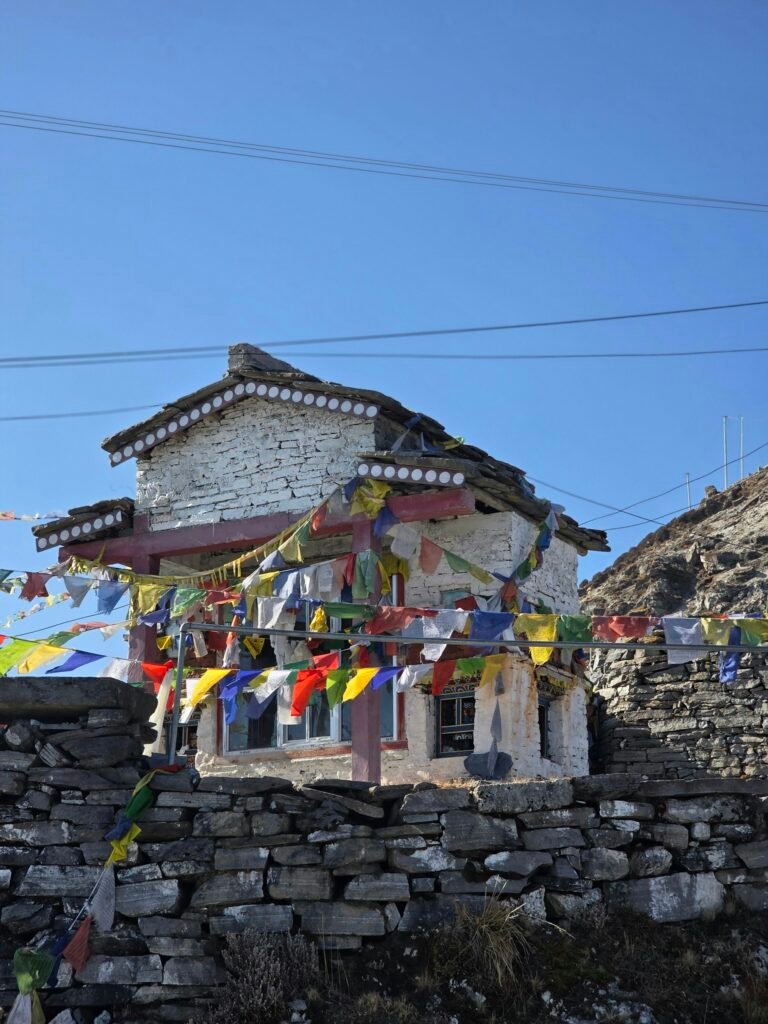
Pemayangtse — “Perfect Sublime Lotus” — was founded in 1705 and is one of the oldest monasteries in Sikkim. It belongs to the Nyingma school of Tibetan Buddhism and historically held a special place in the kingdom: its monks traditionally came from Sikkim’s leading Bhutia families, and the monastery played a role in royal ceremonies.
What to see
The main prayer hall is rich with murals, statues and thangkas. The highlight is on the top floor: a remarkable seven-tiered carved and painted wooden model of Zangdok Palri, the heavenly palace of Guru Rinpoche, crafted by a single master over several years. Photography is usually not allowed inside the halls — ask before you shoot.
When to go
Morning is best, when you may hear prayers and the light on the mountains is clearest. Around Losar (Feb/Mar) the monastery may hold masked Chaam dances; check local dates.
Rabdentse Ruins
History
Rabdentse was the second capital of the Kingdom of Sikkim from 1670 until 1814, when it was abandoned after invasions. Today the ruins are protected, and the walls, chortens and royal platforms sit in a quiet clearing with sweeping views over the valley and towards the Kanchenjunga range.
The walk
From the gate, a level-to-gently-undulating forest path leads to the ruins in about 20–30 minutes, passing a small pond. It’s an easy walk for most people, but uneven in places — wear proper shoes. Seniors should allow extra time.
Suggested morning plan
- 8:00 am — Pemayangtse Monastery (45–60 min).
- 9:00 am — Drive or walk down to the Rabdentse gate.
- 9:15 am — Forest walk to the ruins; spend 30–45 minutes.
- 10:45 am — Continue to the Pelling Skywalk to complete the heritage loop.
Monastery etiquette
- Walk clockwise around chortens, stupas and prayer wheels.
- Remove shoes before entering prayer halls.
- Dress modestly; cover shoulders and knees.
- Ask before photographing monks or interiors.
- Keep your voice low during prayers.
Where to stay nearby
The heritage resorts of the Pemayangtse & Naku-Chumbong belt are a short walk or drive away, including The Elgin Mount Pandim right beside the monastery.
Pemayangtse & Naku-Chumbong
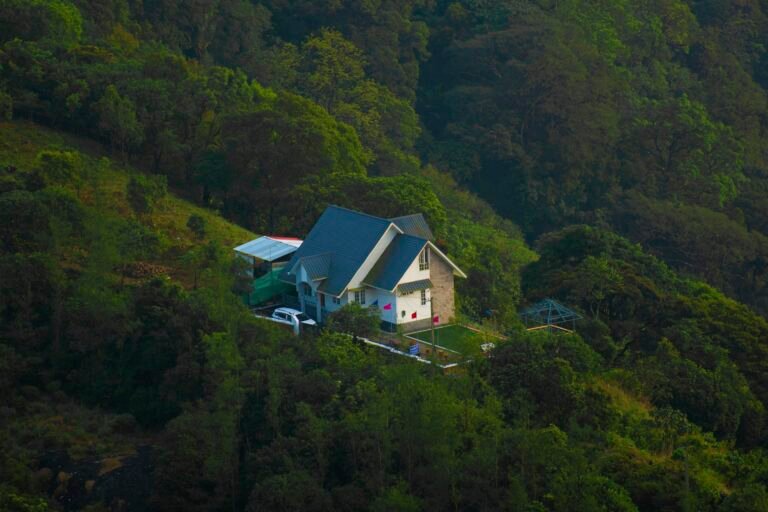
The Elgin Mount Pandim
Panoramic Kanchenjunga view
Heritage resort in a forested estate next to Pemayangtse Monastery — quiet, old-world and set apart from the town.
Pemayangtse & Naku-Chumbong
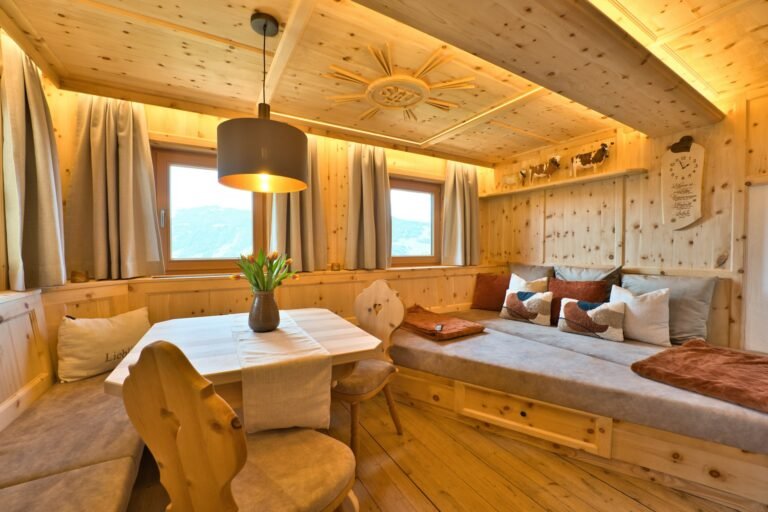
The Chumbi Mountain Retreat & Spa
Panoramic Kanchenjunga view
Spacious resort in the Naku-Chumbong belt with Sikkimese décor, a spa and big mountain views on clear mornings.
Pemayangtse & Naku-Chumbong
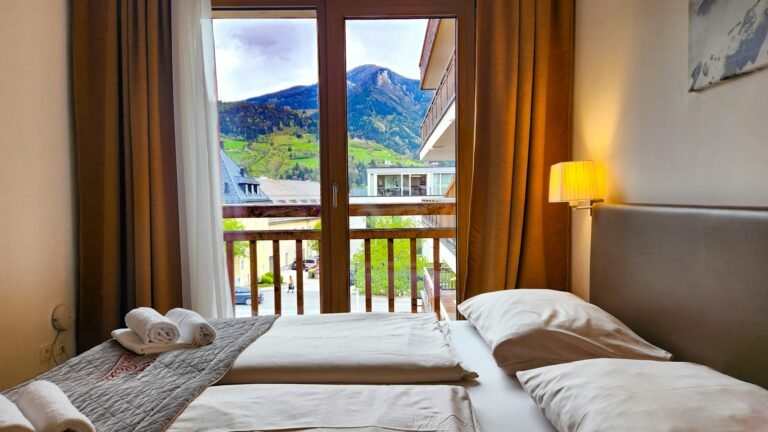
Magpie Pachhu Village Resort
Kanchenjunga-view rooms
Green, peaceful resort in Chumbong village, slightly away from the market, with mountain views on clear days.
Frequently asked questions
What is the entry fee for Pemayangtse Monastery?
The Gyalshing district administration lists the entry fee at ₹20 per person. Fees can change, so carry small change.
How far is Rabdentse from Pelling?
The Rabdentse gate is roughly 2–3 km from Upper Pelling, near Pemayangtse. From the gate it is a 20–30 minute forest walk to the ruins.
When was Pemayangtse Monastery built?
Pemayangtse Monastery was founded in 1705 and is one of the oldest monasteries in Sikkim.
Can I photograph inside Pemayangtse Monastery?
Photography inside the prayer halls is generally not permitted. You can photograph the exterior and grounds; ask the monks if unsure.
Have another question? See our Pelling FAQ with 65 answers on permits, fees, weather, taxis and more.
More Pelling guides
Pelling Travel Guide 2026: Everything You Need to Plan Your Trip
Everything you need to plan Pelling in one place — getting there, seasons, which part of town to stay in,…
Read guide
12 Best Hotels in Pelling for 2026 (By View, Area & Budget)
Our shortlist of the best places to stay in Pelling, from heritage resorts to friendly homestays — and which part…
Read guide
Hotels in Pelling with Kanchenjunga View: How to Get a Room That Faces the Peaks
Not every "mountain view" room in Pelling actually faces Kanchenjunga. Here is where the real view rooms are, and how…
Read guide